
Tritton Road
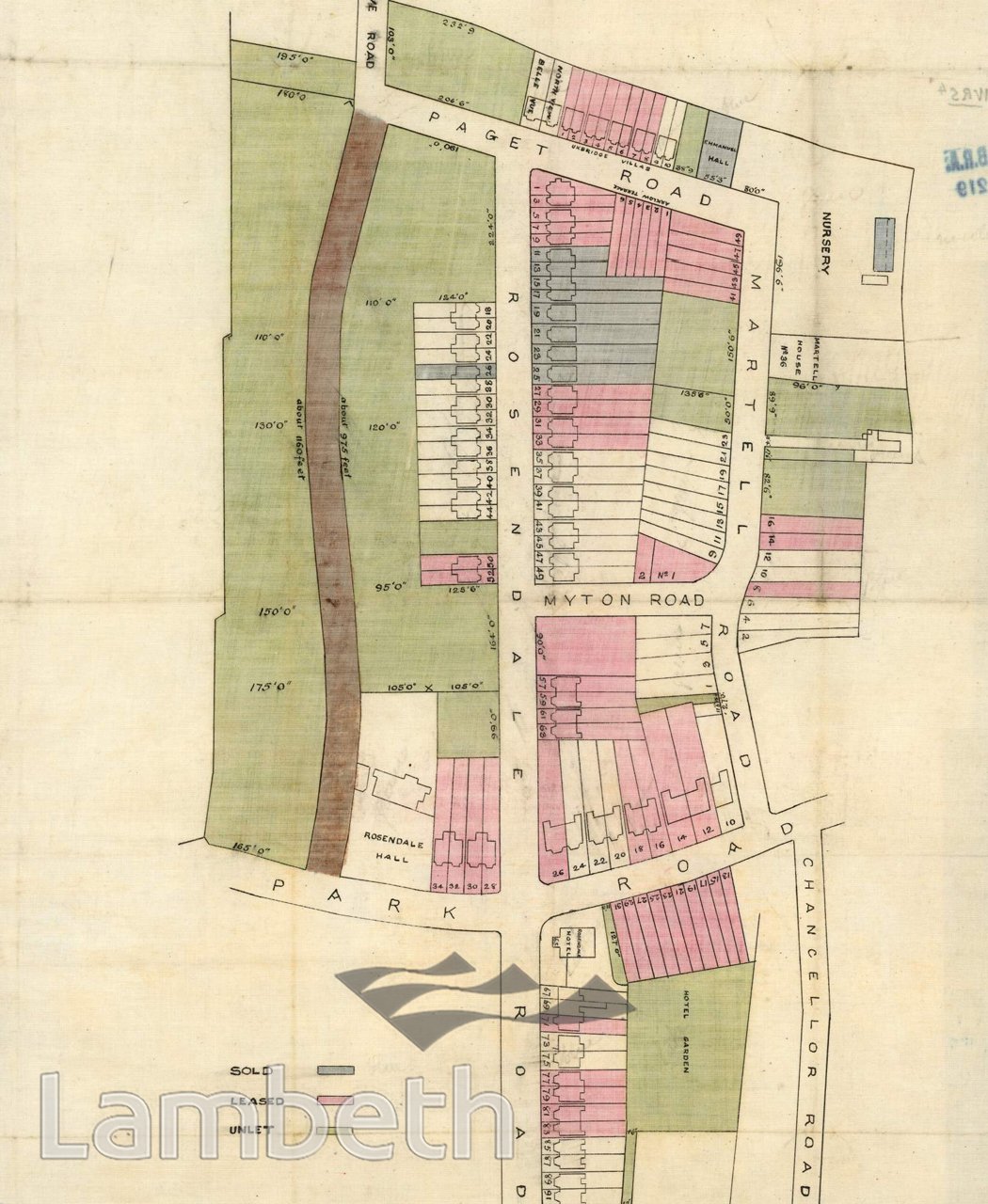
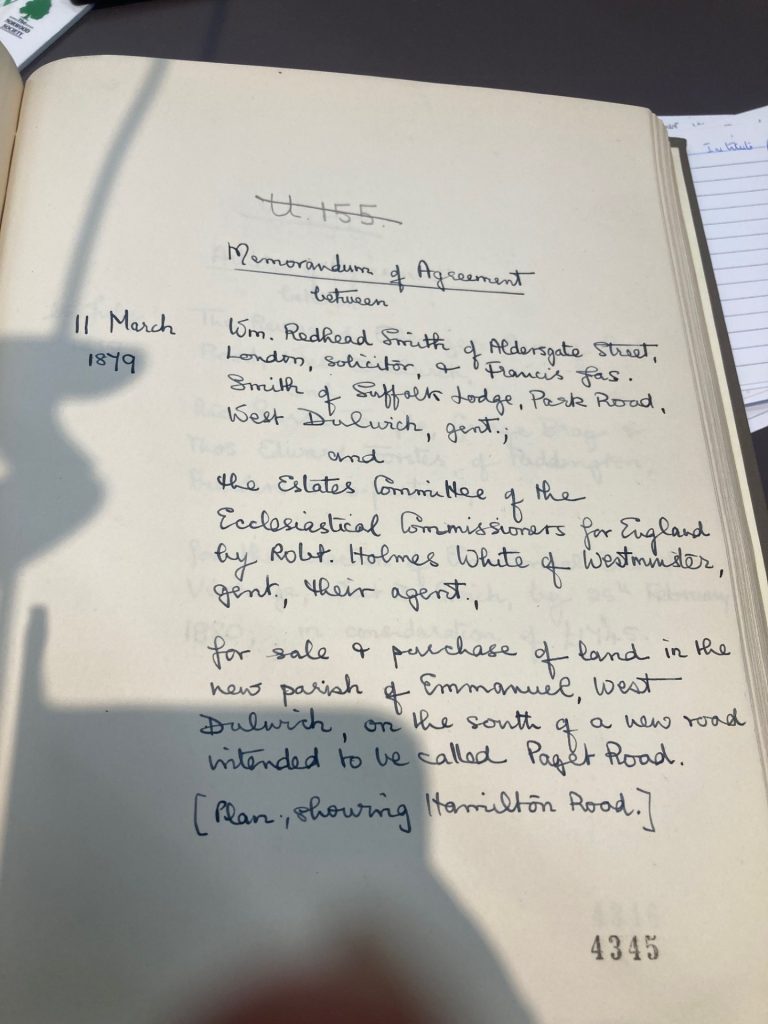
The street was originally called Paget Street after the name of members of the landed aristocracy, a high ranking and political family of South London, specifically Lord Berkeley Paget (1780-1842) and his son Frederick Paget (1807-1866) connected to the successful cavalry charge at the battle of Waterloo. As part of their major investments in the urban development of the area, Paget Street was originally intended for the housing of the Artisan class, skilled workers and tradespeople. The shift from Paget Street to the more elevated name of Tritton Road in the late 1880s announced a major shift aiming at attracting City Gentlemen and professionals aligned with the likes of grand Rosendale Road. The rebranding exercise was the effort of members of the new banking elite, the Tritton who gave the road a definite new establishment vibe. Specifically, Joseph Tritton (1819-1887) a prominent Quaker and a senior partner in the private bank Barclay, Bevan Tritton & Co which became part of Barclays Bank saw the opportunity to subdivide the land further that led to the creation of a magnificent 19-acre estate situated on Central Hill, the Bloomfield Estate with Bloomfield Hall at its core.
Maps and Land Ownership
Timeline
Building of the street
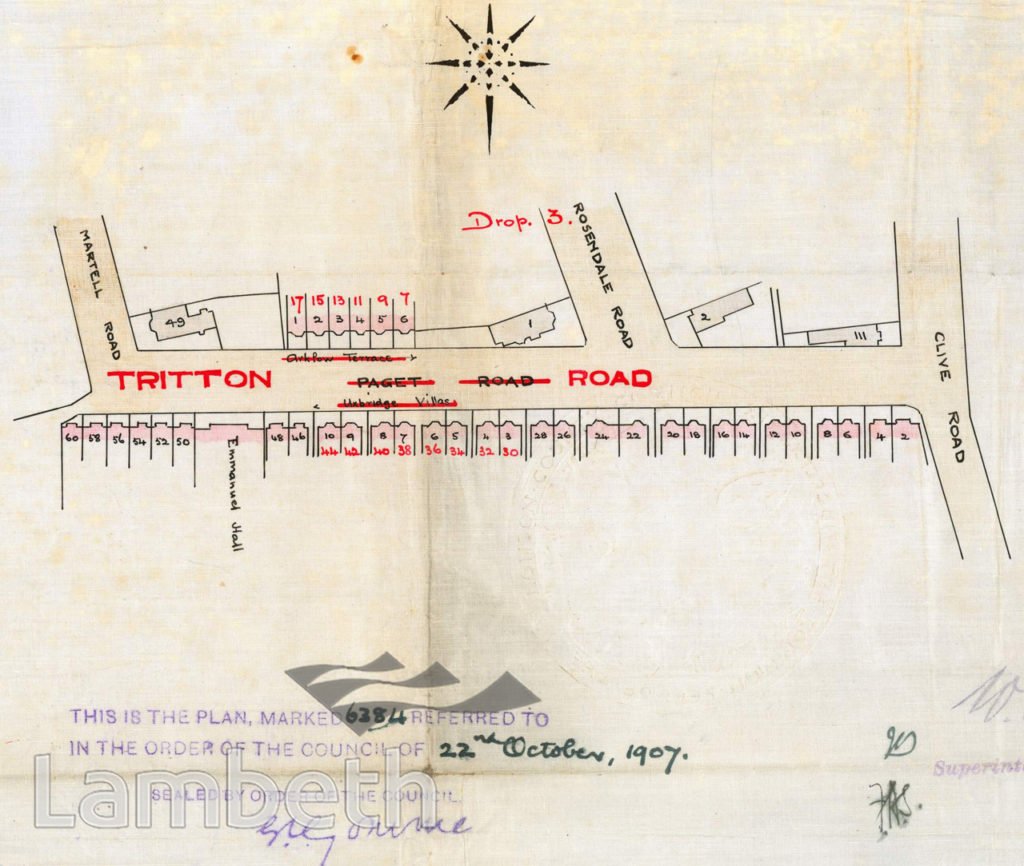
Tritton Road – renumbering
Architecture
Significant Street Buildings
Social History
Residents